

میراث فرهنگی ملموس و ناملموس ژئوپارک جهانی یونسکو ارس
میراث فرهنگی ملموس
جلفا از زمانهای پیش از میلاد به دلیل موقعیت جغرافیایی و استراتژیکی اهمیت خاصی داشته و ازلحاظ فرهنگی و مدنی دارای شهرت فراوان بودهاست . تاریخ جلفا را مورخین به قرن 5 قبل از میلاد ارجاع میدهند که در آثار تاریخی متعددی به آن اشاره شده است و از همین روی آثار تاریخی متعددی در این منطقه به چشم می خورد.
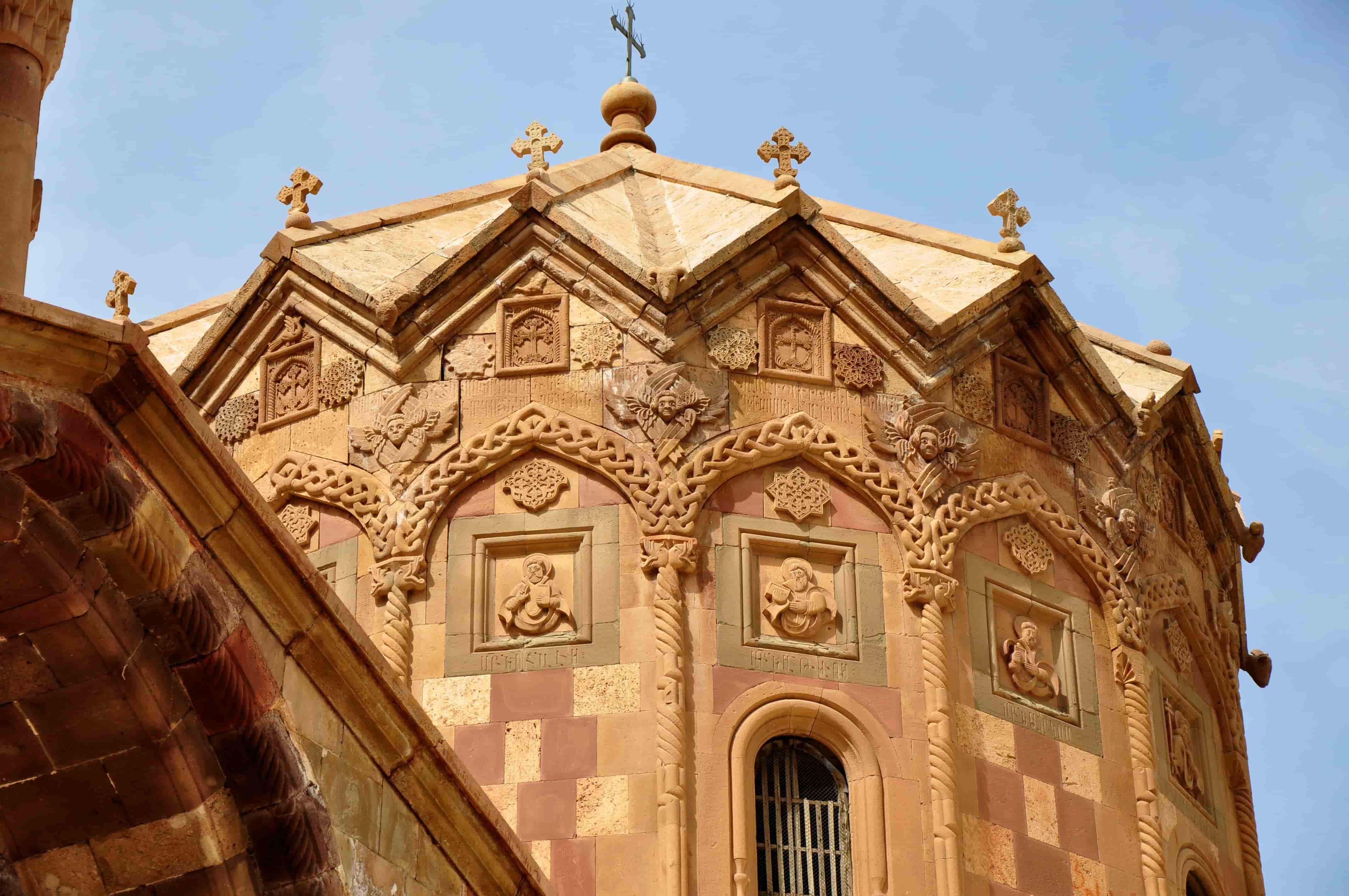
کلیسای سنت استپانوس
مهمترین اثر تاریخی واقع در محدوده ژئوپارک ارس، کلیسا-صومعۀ سنت استپانوس دومین کلیسای مهم ارمنیهای ایران است این کلیسا در سده نهم میلادی ساخته شدهاست ولی به علت زلزله دچار آسیبهای جدی شده بود که در دوران صفویه مورد مرمت و بازسازی قرار گرفت.
كليساي استپانوس مقدس در فاصله 16 کیلومتری غرب شهر جلفا در دژي استوار واقع شده و به مجموعه بناهاي موجود در اين دژ وانگ استپانوس مقدس يا وانگ ماقارات مي گويند، اين وانگ مانند ساير وانگهاي ارمنيان محل اجتماع طللاب خطاطان و خوشنويسان وتذهيب كاران نويسندگان فلاسفه و مورخين و دانشمندان بوده، وانگ استپانوس از دو نظر براي ارمنيان حائز اهميت است ، كليسا به خاطر سبك بنا و جنبه فرهنگي از مراكز مشهور ديني و فرهنگي ارمنيان است تعداد بسياري خوشنويس و خطاط در اين وانگ گرد آمده و به استنتاج كتب مي پرداختند، نقاشان و تهذيب كاران با هنر خود بر زيبايي كتابها مي افزودند و به اين سبب وانگ استپانوس مقدس به عنوان يكي از مراكز خوشنويسان ارمني شهرت دارد و هم اكنون تعداد زيادي كتاب در اين وانگ استنتاج شده است و در كتابخانه هاي جمهوري ارمنستان و ايتاليا نگهداري مي شود.

پُل ضیاءالملک
پل ضیاء الملک مربوط به سده ۵ ه.ق است و در شهرستان جلفا، بخش مرکزی، واقع بر رودخانه ارس واقع شده است. این پل در طول سالیان به خاطر قشون کشیهای مختلف تخریب و دوباره به دلیل نیاز حاکمان وقت بازسازی گردیده است. ارتفاع برجهای پل ۲۰ متر و عمق آنها ۱۰ متر بوده و قطر آنها به ۶٫۵ متر میرسد.
پُل ضیاءالملک قبل از میلاد و در زمان اورارتوها بنا شدهاست و بعدها توسط ضیاءالملک نخجوانی مرمت گردیدهاست.

کاروانسرای خواجه نظر
در کنار جاده ساحلی جلفا-کلیسای سنت استپانوس و در 7 کیلومتری جلفا، کاروانسرای قدیمی خواجه نظر قرار دارد. این کاروانسرا یکی از 999 کاروانسرایی است که در زمان شاه عباس صفوی ساخته شده است. ژئوپارک ارس با بازسازی، نورپردازی و راه اندازی فروشگاه صنایع دستی در این مجموعه امکان بازدید گردشگران را از این مجموعه فراهم آورده است. فروشگاه صنایع دستی این مجموعه به دست همیاران ژئوپارم ارس اداره می شود.

کلیسای چوپان
در کنار جاده ساحلی جلفا-کلیسای سنت استپانوس و در 8 کیلومتری جلفا کلیسای کوچکی بنام «کلیسای چوپان» قرار دارد که قدمت آن به قرن 16 میلادی برمی گردد. بنابر روایاتی این کلیسا محل عبادت چوپانان ارمنی ساکن روستاهای اطراف دره شام بوده است. محوطه این کلیسا از لحاظ زمین شناختی نیز قابل توجه بوده و در آن آثار فسیلی و پدیده راک فال قابل مشاهده است. این بنا که به همت ژئوپارک ارس مرمت و آماده بازدید گردشگران شده است،

کلیسای ننه مریم
در نزدیکی و شمال کلیسای سنت استپانوس و در ساحل رودخانه ارس کلیسای نه نه مریم قرار دارد که سال ساخت آن 1518 و توسط ارمنیان ساکن دره شام است.

حمام تاریخی جلفا
این حمام تاریخی در قسمت مرکزی و در کنار ریلهای راهآهن و جنب خانههای گمرک شهر جلفا واقع شدهاست که قسمت اعظم آن در سال ۷۲ از سوی سازمان میراث فرهنگی از زیرخاک بیرون آورده شد و تعمیراتی نیز بر روی آن صورت گرفت. این حمام دارای پایههای سنگی بسیار زیباست که بهصورت هنرمندانه تراشیده شدهاند و سردر آن با سنگ و آجر تزیین شدهاست. در قسمتهای داخلی آن آهکبریهای ساده و رنگی نیز مشاهده میشود.این حمام به دوره قاجار تعلق دارد و ازلحاظ معماری شبیه حمام کردشت است. موزه مردم شناسی کورای ارس با همکاری همیاران ژئوپارک ارس و پس از مرمت این اثر در این مجموعه افتتاح شده است.

مجموعه کُردَشت
در 70 کیلومتری شرق جلفا و در کنار جاده مرزی و ساحلی و در نزدیکی روستای کردشت، مجموعه تاریخی کردشت قرار دارد. قدمت این مجموعه تاریخی به دوران صفوی برمی گردد. از جمله آثار بجا مانده از این دوره می توان به حمام، مسجد قریب، باغ، میدان، کوشک هشت ضلعی، آب انبار، بازار، قنات و چاهها اشاره کرد که در دوران صفوی مورد استفاده سلاطین صفوی بوده است. این مجموعه در دوران قاجاریه و در طول جنگ های ایران و روس به عنوان مرکز فرماندهی عباس میرزا درآمده است و در این دوره پادگان، ساخلوی نظامی، عمارت اندرون، حمام قاجاری، دیوان خانه، دروازه ها، برج بارو، قلعه ها ، انبار، اصطبل و خندق به مجموعه تاریخی کردشت اضافه شده است.

قلعه گاوور
قلعه گاوور در30 کیلومتری شرق جلفا در کنار رود ارس قرار دارد. قدمت این قلعه براساس بررسی های میدانی و یافته های باستان شناسی مانند سفال های سطحی، مربوط به اواخر اورارتویی است. این قلعه برروی تپه ای مشرف به رود ارس بنا شده و احتمالاً پایگاه نظامی بوده است . درگذشته قلعه کاملاً درکناررود ارس قرار داشته است اما جاده مرزی بخش شمالی قلعه را بریده و ازمیان قلعه عبور کرده است. در وسط قلعه آب انباری وجود دارد که آب ارس توسط تونلی به آن هدایت می شده است.

زیارتگاه امام زاده سید محمد
زیارتگاه امام زاده سید محمد در 70 کیلومتری شرق جلفا در روستای نوجه مهر (میرجمیر) قرار دارد. طبق روایتی معروف، سید محمد در دوره عباسی جهت تبلیغ دین اسلام به آذربایجان آمده و در این منطقه زیسته و درگذشته است. وسعت عرصه این مکان مقدس بیش 5000 مترمربع و گورستان قدیمی روستا نیز در این مجموعه قراردارد. وسعت حرم 425 مترمربع و ارتفاع آن 5 متر است. این زیارتگاه دارای دو مناره به ارتفاع 20 متر و گنبدی آجری به ارتفاع 14 متر است که با کتیبه های زیبا و کاشی های هفت-رنگ مزین شده است . سطح زیرین گنبد آینه کاری شده است و ضریح در زیر گنبد قرار دارد.

برج دوزال
برج دوزال (بقعه امام زاده شعیب) در 67 شرق جلفا در روستای دوزال برروی تپه ای مشرف به رودخانه ارس بنا شده است. بنای برج مربوط به دوره ایلخانی– صفوی است. بقعه امام زاده شعیب بصورت برج هشت ضلعی آجری است و برروی قاعده سنگی بنا شده است.

روستای اُشتبین
روستای اوشتبین در 103 کیلومتری شرق جلفا و در فاصله 7 کیلومتری از جاده اصلی قرار دارد. روستای پلکانی اوشتبین از مجموعه سه آبادی به نامهای هراس، سیاوشان و جعفرآباد تشکیلشدهاست و در حاشیه رود ارس در میان کوه های بلند قرار دارد. بااینکه اسناد بهدستآمده از سنگنوشتههای موجود در روستا تاریخهای 843 و 977 هجری قمری را نشان میدهند اما به نظر میرسد معماری موجود در برخی بناها مربوط به دوره اشکانیان باشد. معماری خانهها پلهای و به شکلی است که حیاط خانه پشتبام خانه دیگر است و نردههای زیبا، سرستونهای منقش، ارسیها و پنجرهها از هنر و تمدن والای اهالی این روستا حکایت میکنند. خانه سلمانزاده با مساحت 305 متر مربع از خانه های قدیمی اوشتبین است و قدمت آن به سال 977 قمری برمی گردد.

آرامگاه حکیم نباتی
آرامگاه حکیم نباتی از عارفان و شاعران بنام سده 13 قمری در یک بلندی مشرف به روستای اوشتبین بنا شده است. سید ابوالقاسم متخلص به نباتی در سال 1191 قمری در اوشتبین به دنیا آمد و در سال 1262 در همان جا وفات و به خاک سپرده شد. جمع اشعار بجای مانده از وی بیش از پنجاه هزار بیت است که تقریباً نصف آن فارسی و نصف دیگر آن ترکی می باشد.

پل آهنی
این پل در شهر مرزی جلفا بر روی رودخانه ارس ساخته شدهاست که مرز ارتباطی ریلی ایران و جمهوری آذربایجان (خودمختار نخجوان) را فراهم میسازد. این پل در مشرق شهر جلفا واقع است، پلی که راه آهن از روی آن عبور میکند به سال ۱۹۱۳ میلادی آغاز و در سال ۱۹۱۴ میلادی به پایان رسیدهاست طول آن در حدود ۱۱۰ متر و عرض آن در حدود ۵/۵ متر است.
در زمان جنگ جهانی دوم و در حین هجوم نیروهای روسی به مرزهای ایران سه نفر از مرزبانان در مقابل نیروهای مهاجم بر روی این پل مقاومت نموده و از خاک میهنشان دفاع کردند.
شهریور ۱۳۲۰، هنگامی که متفقین تصمیم به اشغال ایران می گیرند، مقاومت دو روزه این سه دلاور آذری آغاز می گردد. مقاومت شجاعانه این سه سرباز تحسین نیروهای مهاجم را برمی انگیزد، به طوری که جهت ارج نهادن به این مقاومتها، پیکر این سه مدافع را در محل شهادتشان در کنار خط آهن این پل به خاک سپردند.

برخی از جاذبه های فرهنگی موجود در محدوده ژئوپارک ارس در لیست آثار ملی ایران و میراث جهانی یونسکو به ثبت رسیده اند. این آثار به شرح زیر هستند.
|
|
عنوان |
تاریخ |
توع ثبت |
شماره ثبت |
توضبحات |
|
1 |
کلیسای سنت استپانوس |
1341 |
میراث فرهنگی ملی |
429 |
|
|
2 |
برج دوزال |
1352 |
میراث فرهنگی ملی |
1654 |
|
|
3 |
مجموعه حمام کردشت |
1362 |
میراث فرهنگی ملی |
1655 |
|
|
4 |
حمام تاریخی جلفا |
1378 |
میراث فرهنگی ملی |
2520 |
|
|
5 |
روستای اوشتبین |
1379 |
میراث فرهنگی ملی |
2692 |
|
|
6 |
کلیسای چوپان |
1381 |
میراث فرهنگی ملی |
7743 |
|
|
7 |
پل ضیاء الملک |
1381 |
میراث فرهنگی ملی |
6673 |
|
|
8 |
کاروانسرای خواجه نظر |
1381 |
میراث فرهنگی ملی |
7744 |
|
|
9 |
قلعه گاوور |
1382 |
میراث فرهنگی ملی |
8752 |
|
|
10 |
قلعه کردشت |
1388 |
میراث فرهنگی ملی |
28071 |
|
|
11 |
کلیسای سنت استپانوس، کلیسای چوپان و کلیسای ننه مریم |
2008 |
میراث جهانی یونسکو |
9 |
کلیسای سنت استپانوس، کلیسای چوپان، کلیسای ننه مریم و سنت تادائوس به عنوان نهمین اثر ایران در فهرست میراث جهانی یونسکو به ثبت رسیده اند. |
میراث ناملموس
در گذشته تمدنهاي بشري هميشه در كنار رودخانهها شكل ميگرفتند زيرا آب مايه آباداني و سرسبزي است. رودخانه پرآب و خروشان ارس هم از گذشتههاي بسيار دور مورد توجه و محل زندگي انسان بوده است. قديميترين انسانهايي كه در اين منطقه زندگي ميكردند "اصحاب رس" نام داشتند كه بر اساس باورهاي ملي و افسانهها پس از طوفان نوح (ع) در ساحل رودخانه ارس (آراز) ساكن شدند و با ایجاد شهرهای بزرگ و کشاورزی، باغداری و دامپروری یکی از تمدنهای درخشان را به وجود آوردند. سپس با گذشت صدها سال، قومي از آنها در کنار رود ارس و منطقه ارسباران به جا ماندند كه در دولت مادها و حتی امپراطوریهای بزرگ هخامنشی و ساسانی، از بزرگان امور ديني و روحانيون به شمار ميرفتند. حتي برخي هم معتقدند كه زرتشت (پیامبر باستانی ایرانیان) نیز از جمع این روحانیون و از منطقه آذر بایجان برخاسته است.
اين منطقه داراي تاريخي بسيار كهن و تمدني باستاني است كه در شكلگيري فرهنگ غني مردم منطقه تاثير بسيار زيادي داشته است. منطقه ارس در مسیر کاروانهای تجاری جاده ابریشم قرار داشته و از مسير اين جاده، كشور چين ابريشم خود را به اروپا صادر ميكرده است. تاجران ایرانی وقتي با ابريشم آشنا شدند به دليل سود فراواني كه داشت، از درختان توت چيني به جلفای امروزی آوردند و صنعت تولید ابریشم را در اين منطقه رواج دادند. درختان توتي كه آنها آوردند با آب و هواي خوب منطقه سازگار شدند و حتي ميوه دادند كه به دليل خوشمزگي و خواص فراوان به خارج از كشور هم صادر ميشوند. برگ اين درختان خوراك مناسبي براي كرم ابريشم است و به اين ترتيب از همان زمان پرورش كرم ابريشم و توليد نخ ابريشم در منطقه رونق گرفت. به همين دليل شهر جلفا را به اين نام ميخوانند زيرا كلمه "جلفا" به معنی "بافنده" است كه اشاره به پرورش کرم ابریشم و کارگاههای تولید نخ ابریشم دارد. امروزه تولید ورنی و قالیچههای ابریشمی که از مهمترين صنایع دستی محلي است.
از میراث ناملموس جامعه محلی ژئوپارک ارس می توان به سنت ها و آیین های زیر اشاره کرد:
مراسم چهارشنبه سوری که در شب آخرین چهارشنبه سال برگزار می شود و در آن مردم به رسم نیاکان آتش روشن می کنند و دور آن جمع می شوند. مردم محلی که آتش را مظهر پاکی و گرمی می دانند از روی آتش می پرند و اشعاری مانند«آتیل ماتیل چارشنبه بختیم آچیل چارشنبه» می خوانند که آرزوی خوشبختی است. از رسوم این شب فرستادن هدایای رنگارنگ و شیرینی از طرف خانواده داماد به خانه تازه عروس هاست. یکی از آیین های اصلی این شب که در قدیم کاملا رایج بوده، آیین «شال ساللاماق» است که در آن جوانان از پشت بام همسایه ها و اقوام شال بلندی آویزان می کردند و اهل خانه تنقلات، میوه و یا هدیه دیگری مانند جوراب دستباف می بستند.
نمایش آیینی تولکی سنی
برنامه «تولکی سنی» در شب چهارشنبه سوری و شب عید هر سال این برنامه اجرا میشود و آن به این صورت است که دو نفر از کودکان یا نوجوانان که باهم دوست هستند در یک جا جمع شده و از بین خودشان یک نفر به عنوان روباه و نفر دوم به عنوان خواننده انتخاب میشوند. سر و صورت روباه را با ماسک پوشانده و یا با دوده بخاری سیاه میکنند به طوری که قابل شناسایی نباشد وپالتویی بزرگ به آن میپوشانند و یک عدد جارو به جای دم و یک یا دو عدد زنگوله و همچنین یک عدد آفتابه به کمر آن میبندند و آن را به صورت خاصی تزئین میکنند و خواننده نیز که یک چوب دستی بزرگ در دست دارد اشعار خاصی را به زبان ترکی میخواند.
این دو نفر در شب چهارشنبه سوری و عید به درب خانه ها مراجعه و بعد از باز شدن درب توسط صاحب خانه وارد شده و فردی که به عنوان روباه انتخاب شده به رقص می پردازد و به نوعی خودش را بالا پایین میاندازد که صدای زنگولهها فضای اتاق را پر می کند همزمان با بالا و پایین پریدن تولکی خواننده با صدای بلند و با ریتم خاصی شروع به خواندن اشعاری خاص می کند. وقتی که خواننده آخرین مصراع از شعر خود را میخواند با چوب دستی خود روباه را می زند و روباه به زمین افتاده و خودن را به موش مردگی می زند و در این زمان از صاحب خانه می خواهد که خون بهای روباه را بدهد و صاحب خانه هم در حد توان خود پول یا تخم مرغ به آن دو نفر می دهد و این مراسم خاطرات خوشی را در ذهن اهالی و بخصوص بچه ها ایجاد می کند. تولکی سنی به نویسندگی و کارگردانی احد اجاق زاده بهروز از جمله آثار پذیرفته شده در بخش آیینی سنتی جشنواره تئاتر خیابانی ارس که میان مناطق آزاد 7 گانه کشور و 4 استان شمال غرب ایران برگزار شد، است (در بخش E.7 جزییات آن آمده است).
مراسم شب چله که در طولانی ترین شب سال یعنی آخرین شب پاییز انجام می شود. در این شب اقوام دور هم جمع می شوند و تا دیروقت شب نشینی می کنند و از خاطرات و داستان های روایی و اساطیری حرف می زنند. همچنین در طول شب میوه، خشکبار و آجیل می خورند که میوه اصلی آن هندوانه است که کشاورزان از محصولات تابستانه و لابلای کاه نگه داشته اند.
مراسم ازدواج از مراسمات قدیمی و مقدسی است که شکل اولیه آن هنوز در بسیاری از مناطق روستایی حفظ شده است. مراسم عروسی با نوازندگی و خوانندگی هنرمندان محلی که به آنها «عاشیق» گفته می شود و رقص آذری جوانان انجام می شود. یکی از مراسمات ویژه شب عروسی بدین ترتیب است که داماد به پشت بام رفته و به سمت جمعیت مهمانان عروسی که عروس نیز بین آنها قرار دارد سیب های سرخ پرتاب می کند. در اشعار فولکلور بسیاری به این آیین اشاره شده است.
مراسم عید نوروز از آیین های باستانی است که مردم منطقه ارس مثل همه ایرانیان آنرا با علاقه و اعتقاد زیادی برپا می کنند. عید نوروز به معنای آغاز سال جدید است که مصادف با آغاز بهار نیز است. مردمان این منطقه چند روز قبل از رسیدن نوروز با خانه تکانی و سبز کردن سبزه به استقبال سال جدید می روند. با آغاز سال جدید مردم «سفره هفت سین» پهن می کنند که در آن آینه، قرآن، تنگ ماهی و هفت ظرف حاوی سرکه، سمنو، سیر، سیب، سبزه، سماق و سکه می گذارند که وجه تسمیه «هفت سین» به این هفت ماده برمی گردد. فلسفه اصلی سنت نوروز بازدید اقوام و آشنایان از یکدیگر و تبریک سال نو است که میزبان نیز با چای و شیرینی جات و میوه از مهمانان پذیرایی می کند. این دیدوبازدید تا چند روز ادامه دارد و در نهایت روز سیزدهم مردم از ساعات اولیه روز به دامان طبیعت می روند و برای ناهار اتراق می کنند. این سنت به اسم سیزده بدر معروف است.
یکی از سنت های جذاب بسیار قدیمی که در ایام عید نوروز در این منطقه اجرا می شود تهیه تخم مرغ های پخته رنگی است که بطور سنتی با استفاده از موادی مانند کاه، پوست پیاز و پوست انار انجام می شود. تخم مرغ های رنگی کارکردهای مختلفی دارد از جمله تزئین سفره هفتسین، هدیه عیدی به کودکان و همچنین برای بازی تخممرغبازی که این بازی به صورت برد و باخت انجام می گرفت و به این صورت بود که دو نفر با هم روبه رو می شدند هر کدام از طرفین تخم مرغی را محکم در دستش نگه می داشت به طوری که یک سر تخم مرغ به طرف بالا باشد و دیده شود سپس فرد دیگری تخم مرغ خود را از طرف سر آن به تخم مرغ طرف مقابل می زد اگر تخم مرغ یکی از آن ها ترک بر می داشت این بار دو سر دیگر تخم مرغ را به هم می زدند اگر این بار نیز همان تخم مرغ ترک بر می داشت صاحب این تخم مرغ بازنده محسوب می شد و می بایست تخم مرغ خود را به طرف مقابل بدهد و اگر هر دو ترک برمی داشتند آن طرفی بازنده محسوب می شد که تخم مرغش بیشتر شکسته باشد. با استفاده از این بازی یک فرد ممکن بود در روز چند تخم مرغ را صاحب شود.
آیین یومورتا بویاماق (مراسم رنگ آمیزی و تخم مرغ بازی نوروزی)
قدمت رنگ کردن تخم مرغ در ایران را مربوط به دوره سلطنت جمشید جم خواند و اظهار داشت: بعد از نافرمانی جمشید جم از دستورات خدا، در دوران حکومت خود، دچار قهر طبیعت می شود، اما بعد از مدتی به لطف خدا دوباره طبیعت جان تازه می گیرد. در این زمان جمشید جم به شکرانه این نعمت، دستور رنگ کردن تخم مرغ و قرار دادن آن در سفره نوروز را داد. باید گفت، این رسم به نوعی تشکر از برکت و نعمت خداوندی است. از قدیم در ژئوپارک ارس رسم بر این بود که بزرگترها به هنگام عید دیدنی، در جیب خود تعدادی تخم مرغ رنگ شده می گذاشتند و آن را به عنوان هدیه به میزبان می دادند و میزبان نیز تخم مرغ ها را درون کاسه ای جمع می کرد و در گوشه ای از خانه در معرض دید قرار می داد. لبته هدیه دادن تخم مرغ تنها از طرف میهمان صورت نمی گرفت و میزبان ها نیز که از تخم مرغ های رنگ شده داخل سفره هفت سین را به عنوان هدیه به میهمانان تعارف می کردند. به همت ژئوپارک ارس از همین سال هر ساله جشنواره نقاشی بر روی تخم مرغ های نوروزی ارس ر دو بخش مسابقه و کارگاه با هدف پاسداشت، معرفی و ترویج آیین رنگ آمیزی تخم مرغهای نوروزی برگزار شده است. در دوره اول برگزاری این جشنواره حدود 600 اثر به بخش کارگاهی، در سال دوم 900 اثر به بخش کارگاهی و بیش از 700 اثر به بخش مسابقه و در دوره سوم و در سال 1398 --- اثر از سراسر کشور در این جشنواره شرکت نمودند.
آیین دهۀ محرم از آیین های قدیمی این منطقه است که با شروع ماه محرم در تقویم قمری آغاز و با سوگواری برای شهادت امام سوم شیعیان یعنی امام حسین همراه است. در طول این ده روز مردم لباس های سیاه می پوشند و همه جا پرچم های سیاه نصب می کنند و در روز دهم که به اسم عربی آن عاشورا نامیده می شود و مصادف با روز شهادت امام حسین است مراسم شبیه خوانی اجرا می شود که در واقع یک تئاتر خیابانی است که واقعه شهادت امام حسین در دشت کربلا را بازسازی می کند.
مراسم عزاداری علمگردانی در روز تاسوعا و شب عاشورای حسینی در روستای سیه سران
علم مهم ترین وسیله در مزاسم سوگواری ماه محرم است. روستای سیه سران هفت علم دارد که از همه مهم تر علم حضرت ابوالفضل است. در روزهای اول محرم در زمان شکل گیری دسته عزاداری روستا علم ها یکی کی وارد میدان می شوند و در میدان گردانده می شوند. در روز تاسوعا قبل از ظهر دسته عزاداری به همراه هفت علم عزاداری کنان به سوی روستای لیوارجان حرکت می کنند و در ورودی روستای لیوارجان هفت علم این روستا به پیشواز آنها می آیند و به هم تعظیم می کنند و پس از عبور از مقابل مسجد جامع روستای لیوارجان علم های سیه سران به روستای خود باز می گردند. در بعد از ظهر این بار علم های روستای لیوار جان به روستای سیه سران برده می شوند و مراسم در روستای سیه سران برگزار می شود. در شب عاشورا سه علم از روستای سیه سران و سه علم از روستای لیوارجان به سوی روستای زاویه و زیارتگاه آن حرکت کرده و در حیاط زیارتگاه همراه به دو علم روستای زاویه به عزاداری می پردازند.
آیین شکرگزاری برداشت انار
باغات روستاهای دوزال، کردشت، قولان، میسن و اوشتبین از مناطق عمده تولید انار در محدوده ژئوپارک ارس هستند. ارتفاع، اقلیم و دمای مناسب، رطوبت نسبی هوا خسارت سرمازدگی را در این مناطق به حداقل رسانده و شرایط را برای کشت انار مهیا می کند. شرایط مطلوب باعث شده تا بیش از 250 هکتار از اراضی این منطقه زیر کشت انار برود. برداشت انار همه ساله از اواخر شهریور آغاز و تا 10 آبان ادامه دارد. در همین ایام برای شکرگزاری برداشت انار جشنواره انار برگزار می شود. از زیبایی های این جشنواره، اجرای برنامه های فرهنگی از جمله موسیقی عاشقی است. در این جشنواره غرفه هایی برای فروش انار در نظر گرفته می شوند.
مراسم رقص لزگی یا تاقایتائی دارای چندین حرکت آرام و تند است که ابتدا با حرکاتی آرام و سپس تند و ریتیمک اجرا میشود. همراه با رقص لزگی ۳ نت ۴ تایی نواخته میگردد که گویند همان باله مشهور آذربایجان است و نیز حرکات موزون ناز اِلَمه (ناز نکن) و کور اوغلی (قهرمان مبارزه با ظلم و ستم) توسط هنرمندان ترکی و با حرکاتی تند و گاهی آرام که بلافاصله با چرخش سریع تغییر ریتم داده و چرخها و پرشها با نوای سرنا و دهل و با لباسهای خاص و بسیار شکیل با چکمه براق تا زیر زانو و با کلاهی از پشم سپید، همراه با بالاپوشی سبک و چسبیده به بدن و شلواری تنگ و چسبان و مناسب برای هر گونه حرکت آغاز میشود.
جشنواره موسیقی محلی عاشقی یکی از آئین های قدیمی منطقه است که نقش موثری در جذب گردشگران داخلی و خارجی به خصوص تعطیلات نوروزی به این منطقه دارد. مضمون شعری این موسیقی الهام گرفته از طبیعت و فرهنگ غنی مردم منطقه است و از شاخص ترین چهره های موسیقی عاشقی می توان عاشق رسول قربانی و عاشق چنگیز مهدی پور را نام برد. ژئوپارک ارس همچنین به منظور حفظ و ترویج ان هنر اصیل بومی اقدام به ساخت و آموزش نمونه دکورری این ساز به جامعه محلی ژئوپارک ارس نموده است تا در کنار معرفی این هنر سوغاتی مناسبی برای گردشگران فراهم نماید.
مهارت سنتی پخت آش قوروت قیله ارس
قوروت قیله در زبان محلی از دو قسمت قوروت به معنی کشک و قیله به معنی گوشت قورمه ای که در روغن گوشت تفت داده شده است، تشکیل شده است. کشک معمولا در مرحله آخر اضافه می شود و قیله روی آش ریخته می شود. البته امروزه از گوشت چرخ کرده به شکل کوفته ریزه به جای قیله استفاده می کنند. ین آش از قدیم در مراسم حنابندان عروس پخته شده و با آن از مهمانان پذیرایی می شد. در کنار آن نیز، نان را خرد کرده و داخل آش می ریختند. مواد اولیه آش قورت قیله، بلغور، لوبیا سبز، بادمجان، گوجه، کشک و سبزی آن ریحان و جعفری است. هم اکنون این آش در بسیاری از رستوران های شهرستان جلفا و در مراکز گردشگری این ژئوپارک عرضه می شود. ژئوپارک ارس با ایجاد بخش جنبی ارائه غذای سنتی در جشنواره های خود به ترویج غذای سنتی منطقه تاکید دارد.
نوغانداری یا پرورش کرم ابریشم و تولید فرآوردههای ابریشمی از فعالیتهایی سنتی آذربایجان بخصوص محدوده ژئوپارک ارس به شمار میآید. ژئوپارک ارس با تاسیس تعاونی های پرورش کرم ابریشم و نیز حمایت از تولید آن در حفظ این فعالیت بومی کوشیده است.
برخی از آداب ورسوم و میراث ناملموس ژئوپارک ارس در لیست ملی میراث ناملموس ایران و میراث فرهنگی و معنوی بشر یونسکو به ثبت رسیده اند. این آثار به شرح زیر هستند.
|
|
عنوان |
تاریخ |
توع ثبت |
شماره ثبت |
توضبحات |
|
1 |
نوروز |
2016 |
میراث فرهنگی و معنوی بشر یونسکو |
|
مشترک با کشورهای Afghanistan – Azerbaijan – India – Iran (Islamic Republic of) – Iraq – Kazakhstan – Kyrgyzstan – Uzbekistan – Pakistan – Tajikistan – Turkmenistan – Turkey |
|
2 |
مراسم عزاداری علمگردانی در روز تاسوعا و شب عاشورای حسینی در روستای سیه سران |
1391 |
میراث ناملموس |
591 |
|
|
3 |
نمایش آیینی تولکی سنی |
1394 |
میراث ناملموس |
1187 |
|
|
4 |
آیین یومورتا بویاماق |
1394 |
میراث ناملموس |
1186 |
|
|
5 |
مهارت سنتی پخت آش قوروت قیله ارس |
|
میراث ناملموس |
|
|
|
6 |
ورنی بافی |
1388 |
میراث ناملموس |
88 |
|