

حفاظت زمین
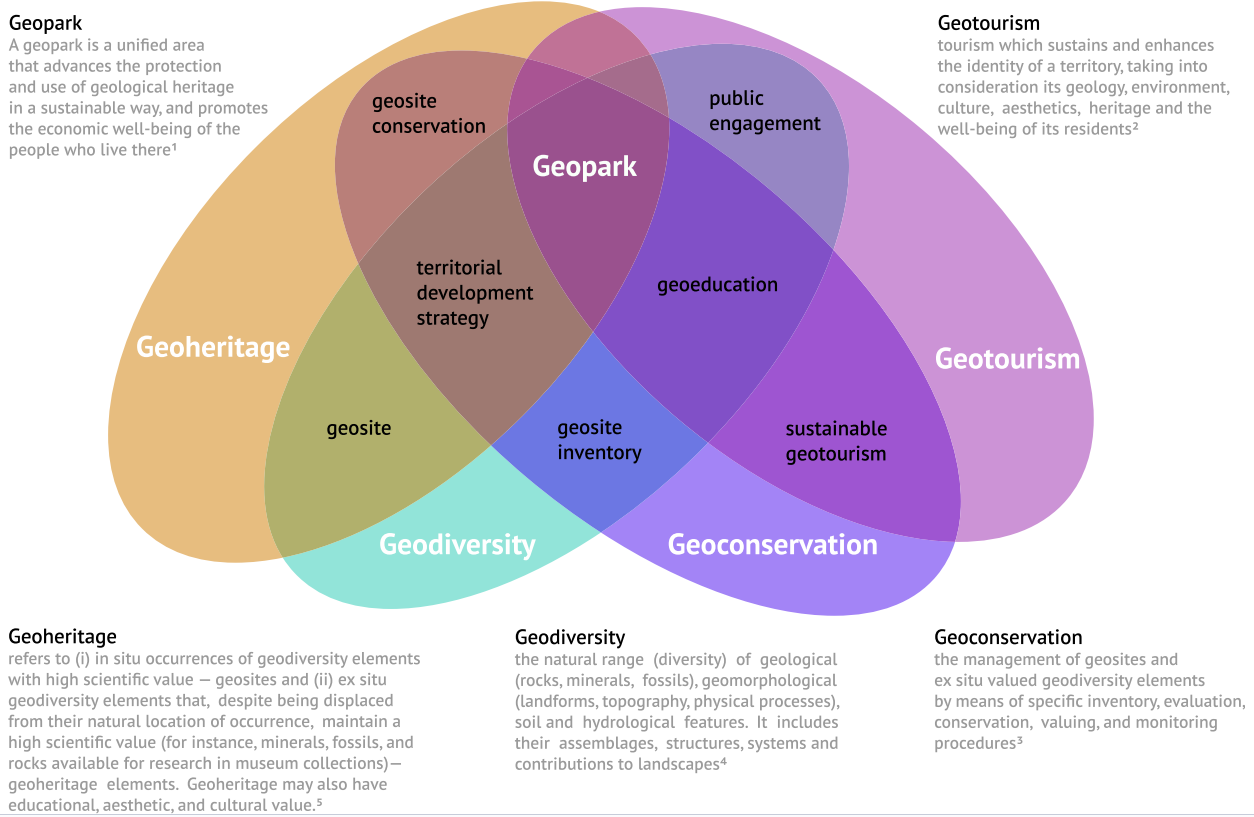
«حفاظت زمین» یک حوزه علمی نسبتاً جدید است که در دهههای اخیر به دلیل اهمیت روزافزون حفاظت و استفاده پایدار از منابع محیطی پدیدار شده است.
مفهوم «حفاظت زمین» را میتوان به عنوان فعالیت یا گروهی از اقدامات تعریف کرد که به حفاظت، مدیریت منطقی و حفاظت از ساختارهای زمینشناسی که تنوع زمینشناختی را نشان میدهند کمک میکنند و از این رو دارای ارزش علمی و آموزشی هستند. هدف حفاظت زمین شناسایی، حفاظت و مدیریت بخشهای ارزشمند تنوع زمینشناختی است.
Zafeiropoulos, G.; Drinia, H.; Antonarakou, A.; Zouros, N. From Geoheritage to Geoeducation, Geoethics and Geotourism: A Critical Evaluation of the Greek Region. Geosciences 2021, 11, 381. https://doi.org/10.3390/geosciences11090381
میراث زمینشناسی و حفاظت زمینشناسی مفاهیمی هستند که به حفظ ویژگیهای علوم زمین، مانند عوارض زمین، رخنمونهای طبیعی و مصنوعی سنگها و مکانهایی که میتوان ویژگیهای زمینشناسی را بررسی کرد، مربوط میشوند. میراث زمینشناسی بر تنوع مواد معدنی، سنگها و فسیلها و ویژگیهای پتروژنتیکی که نشاندهنده منشأ و/یا تغییر مواد معدنی، سنگها و فسیلها هستند، تمرکز دارد. همچنین شامل عوارض زمین و سایر ویژگیهای ژئومورفولوژیکی است که اثرات قرار گرفتن در معرض نیروهای آب و هوایی و زمینی در حال و گذشته را نشان میدهند. حفاظت زمینشناسی از میراث زمینشناسی مشتق شده است، زیرا به حفاظت از ویژگیهای علوم زمین میپردازد.
در سطح جهانی، این مفهوم اهمیت پیدا کرده است زیرا مشخص شده است که سیستمهای زمین داستانی برای گفتن دارند و با تاریخ مداوم توسعه انسانی مرتبط هستند و منابعی را برای توسعه و هویت مکانی با ارزشهای تاریخی، فرهنگی، زیباییشناختی و مذهبی فراهم میکنند.
Brocx, Margaret & Semeniuk, Vic. (2007). Geoheritage and geoconservation - History, definition, scope and scale. Journal of the Royal Society of Western Australia. 90. 53-87.
بخش عمدهای از تمرکز در حفاظت از طبیعت بر موجودات زنده - تنوع زیستی - است. حفاظت از زمین با حفاظت از بخشهای غیرزنده محیط طبیعی - ویژگیهای زمینشناسی، شکلهای زمین و خاکها - سروکار دارد.
این بخشهای غیرزنده محیط طبیعی دارای ارزشهای قابل توجهی هستند و بسیاری از جنبههای این تنوع زمینشناسی به همان اندازه تنوع زیستی به اختلال حساس هستند. علاوه بر این، تنوع زیستی به تنوع زمینشناسی وابسته است، به طوری که حفاظت موفق از طبیعت مستلزم ادغام حفاظت زیستی با حفاظت زمینشناسی است.
هدف حفاظت از زمین، حفظ تنوع طبیعی - یا تنوع زمینشناسی - ویژگیها و فرآیندهای مهم زمینشناسی (سنگ بستر)، ژئومورفولوژیکی (شکل زمین) و خاک و حفظ نرخها و بزرگیهای طبیعی تغییر در آن ویژگیها و فرآیندها است.
«حفاظت زمین» را میتوان اینگونه تعریف کرد: حفاظت از تنوع زمینشناختی به دلیل ارزشهای ذاتی، اکولوژیکی و میراث زمینشناختی آن، که در آن «تنوع زمینشناختی» به معنای: دامنه (یا تنوع) ویژگیهای زمینشناختی (سنگ بستر)، ژئومورفولوژیکی (شکل زمین) و خاک، مجموعهها، سیستمها و فرآیندهای آن است.
حفاظت زمین رویکردی برای مدیریت حفاظت از سنگها، لندفرمها و خاکها است که اذعان میکند تنوع زمینشناسی دارای ارزشهای حفاظت از طبیعت است. در نظر گرفتن حفاظت از طبیعت که لزوماً شامل حفاظت از زمینشناسی و حفاظت از زیستبوم است، رویکردی جامعتر از رویکردهای صرفاً زیستمحور به حفاظت از طبیعت ارائه میدهد.
اصطلاح حفاظت زمین، رویکردهایی را که با اصطلاحاتی مانند «حفاظت از میراث زمینشناختی»، «حفاظت از میراث زمین»، «حفاظت از علوم زمین» یا «حفاظت از بناهای زمینشناسی» شناخته میشوند، در بر میگیرد، اما گستردهتر از آنهاست. رویکردهای اخیر به دلیل ارزشهای علمی، آموزشی، تحقیقاتی، زیباییشناختی و الهامبخش آنها برای انسان، بر حفاظت از ویژگیهای زمینشناسی و شکل زمین مهم تمرکز دارند.
حفاظت زمین این نگرانیها را در بر میگیرد، اما بر این دیدگاه استوار است که تنوع زمینشناسی نیز مهم است زیرا فرآیندهای زمینشناختی، شکل زمین و خاک، اساسی هستند که تمام فرآیندهای اکولوژیکی به آنها وابسته هستند. بنابراین، تمرکز اصلی حفاظت زمین، حفاظت از تنوع زمینشناسی طبیعی است تا نه تنها از ویژگیهایی که ارزش علمی یا الهامبخش مستقیم برای انسان دارند، بلکه به منظور حفظ فرآیندهای اکولوژیکی طبیعی (از جمله بیولوژیکی) که محور اکثر نگرانیهای حفاظت از طبیعت هستند، محافظت شود.
حفاظت زمین به دلایل زیر مهم است:
• تنوع زمینشناختی دارای طیف وسیعی از ارزشهای مهم و شایسته حفاظت است؛
• تنوع زمینشناختی شامل بسیاری از ویژگیها و فرآیندهای با ارزش قابل توجه است که به اختلال حساس هستند و در مناطقی که در معرض فعالیتهای انسانی قرار دارند، اگر به طور خاص مدیریت نشوند، ممکن است به راحتی تخریب شوند. علاوه بر این، بسیاری از عناصر تنوع زمینشناختی، ویژگیهای باقیمانده یا «فسیل» هستند که در صورت تخریب، غیرقابل جایگزین هستند.
دو هدف اساسی مدیریت حفاظت زمین را میتوان شناسایی کرد:
• حفظ تنوع زمینشناختی
• حفظ نرخها و بزرگیهای طبیعی تغییرات
Sharples, Chris. (2002). Concepts and principles of geoconservation.

Williams, M.A., McHenry, M.T. & Boothroyd, A. Geoconservation and Geotourism: Challenges and Unifying Themes. Geoheritage 12, 63 (2020).
https://doi.org/10.1007/s12371-020-00492-1
تفاوت بین حفاظت (conservation) و نگهداری (preservation) در محیط طبیعی:
حفاظت را میتوان به معنای «مدیریت فعال چیزی برای اطمینان از حفظ کیفیت آن» در نظر گرفت. این مفهوم، تأکید را بر مدیریت چیزی برای حفظ کیفیتی خاص، به جای حفظ ویژگی، مکان، فرآیند و غیره بدون هیچ تغییری، قرار میدهد.
بنابراین، حفاظت زمین معمولاً شامل کار با تغییرات طبیعی برای حفظ یک ویژگی مورد نظر است، به عنوان مثال، حفظ یک نمای واضح از یک توالی چینهشناسی در یک صخره در حال فرسایش، با وجود فرسایش. این به معنای متوقف کردن فرسایش و منجمد کردن نمای آن در طول زمان نیست.
از سوی دیگر، نگهداری را میتوان به عنوان «نگه داشتن چیزی در همان حالت، جلوگیری از تغییر آن» در نظر گرفت، یعنی متوقف کردن آن و اجازه ندادن به هیچ تغییر فیزیکی. با این حال، در برخی شرایط، حفاظت از یک ویژگی محدود و حساس مانند یک رگه معدنی ممکن است نیاز به رویکردی بسیار شبیه به نگهداری داشته باشد تا حفاظت.
به عبارت ساده، حفاظت زمین را میتوان به عنوان اقدامی تعریف کرد که با هدف حفظ و بهبود ویژگیها، فرآیندها، مکانها و نمونههای زمینشناختی و ژئومورفولوژیکی انجام میشود. از آنجایی که حفاظت موفق اغلب به درک و ارزشگذاری ویژگی، فرآیند، مکان یا نمونههایی که باید حفاظت شوند بستگی دارد، اقدامات انجام شده اغلب شامل فعالیتهای ترویجی و افزایش آگاهی نیز میشود.
Burek, Cynthia & Prosser, Colin. (2008). The history of geoconservation: An introduction. Geological Society, London, Special Publications. 300. 1-5. 10.1144/SP300.1.